Introduction
This Toshiba Satellite L500-13W was abandoned with Windows 7 and a failing Kali Linux installation. Overheating, keyboard misconfiguration, and disk errors made it unsuitable for learning. By stabilising the hardware and installing MX Linux, I turned it into a reliable, quiet lab device, suitable for building structured security labs and developing foundational cloud and identity security skills.
Hardware Stabilisation & OS Choice
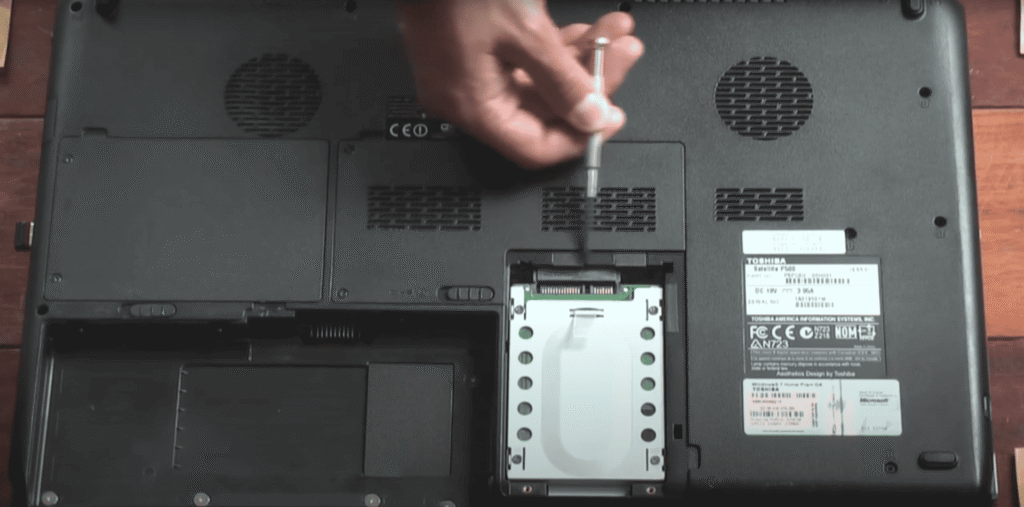
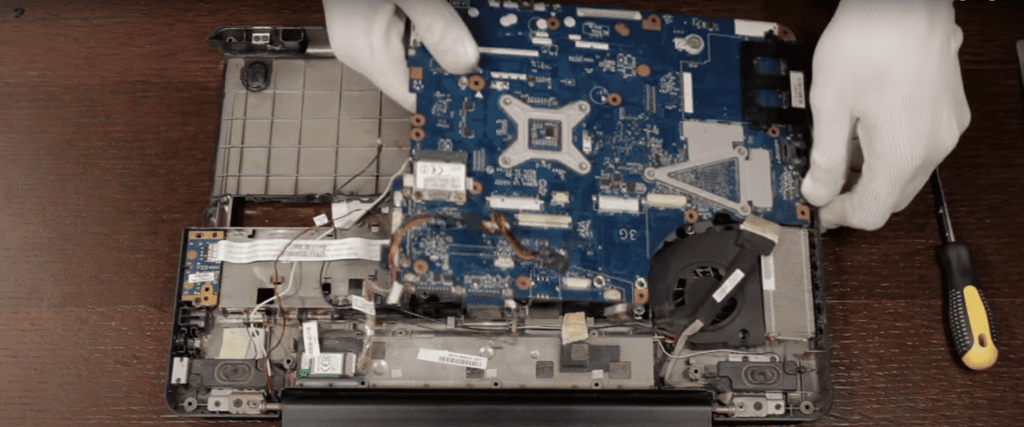
Key upgrades included cleaning the fan, reapplying thermal paste, and replacing the HDD with a 240 GB SSD. MX Linux 23 was selected for stability on legacy hardware, low memory usage, and compatibility with security tooling. These decisions ensured reproducibility — a critical habit in both security investigations and cloud monitoring environments.


Tooling & Hands-On Workflow
The tooling used reflects common security and system administration practices found in security and lab environments:
Network & system analysis: nmap, Wireshark, lynis
Vulnerability & host security: OpenVAS, fail2ban, ufw
Automation & development: Python, Git, VS Code, Geany
Lab activities included structured alert triage, scanning, packet inspection, and log analysis, supporting the development of repeatable investigative workflows applicable to identity and cloud-based security monitoring environments.
Lessons in Cloud Security Lab Design
This lab reinforced habits critical for professional environments: assessing constraints, stabilising systems, validating assumptions, and documenting reproducible workflows.
For future lab environments supporting multiple virtual machines, the following baseline specifications are required to ensure stability and performance:
CPU: Intel Core i5 or i7 (or equivalent modern multi-core processor) for sufficient compute capacity
RAM: 32 GB minimum to support multiple concurrent virtual machines
Storage: 500 GB SSD or larger (NVMe preferred) to handle operating systems, disk images, and snapshots efficiently — 1 TB recommended for scalability and future lab expansion
These specifications ensure a stable and scalable environment for security labs focused on cloud, identity, and detection engineering practice, allowing progression toward IAM, detection, and identity-centric lab environments without hardware bottlenecks.